

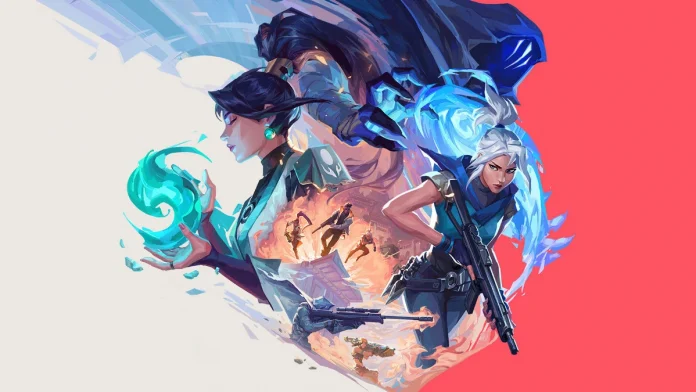
Over the past few years, Valorant has established itself as one of the biggest modern-day tactical shooters, challenging the dominance of Counter-Strike in the genre and carving out its own identity as a competitive esport. Unlike CS2, Valorant heavily borrows elements from hero shooters, with every Agent in the game possessing a unique set of utilities to help their team in combat. As a result, regular updates become extremely crucial in not only maintaining the game’s overall balance but also for overall player engagement and keeping things fresh.
A live-service, hero-based shooter can easily fall apart without proper pacing of updates. Slow updates risk making the meta stale and exhausting fans, while overly rapid updates can overwhelm players and ruin esports balance. In this genre, finding the sweet spot between freshness and stability is critical and what ultimately determines whether a game thrives long-term or fades away over the years.
This leads us to the question: Has Riot truly found that balance with Valorant, or are players left wanting more?
Valorant’s Current Update Cycle
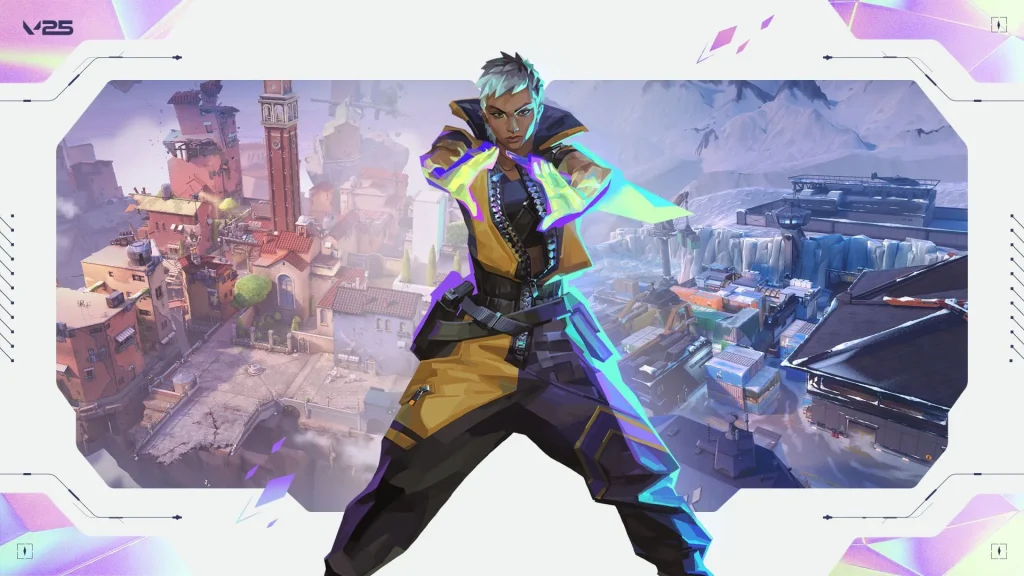
At the time of writing, Valorant follows a biweekly update pattern, with changes being made to the game roughly once every two weeks. However, in most cases, no drastic change is introduced in these small patches.
Generally, major content drops, including maps, Agents, skins, and other additions, are introduced at the start of a new Act. Since each Act spans about two months, players have come to expect fresh content on that schedule.
The biweekly patches typically focus on Agent balance, but the majority of these adjustments are nothing more than small numerical tweaks designed to slightly raise or lower an Agent’s viability in competitive play. Full Agent reworks or significant alterations to an Agent’s kit are uncommon and are usually held until the end of a competitive season to avoid disrupting the esports calendar.
This raises an interesting question: are these smaller, incremental updates enough to keep the game feeling alive, or do players crave the excitement of larger, headline-grabbing patches that shake up the meta?
Riot’s Measured Pace
It can’t be denied that Riot’s slow, measured approach to updating Valorant has its benefits, as it helps preserve competitive integrity and ensures the game remains fair and thoughtfully balanced.
Riot has been deliberate in how it updates Valorant, favoring quality over quantity when it comes to content and balance changes. Rather than chasing constant shifts in the meta, the developers try to maintain the game’s competitive balance during the season. This approach helps keep power creep in check, preventing new Agents from feeling overpowered just to generate hype, and ensures that balance remains approachable for both casual and hardcore players.
Valorant’s competitive ecosystem is structured around its international league and Champions Tour. Drastic meta shifts during the middle of a competitive split could unfairly punish teams that have spent weeks mastering a particular strategy. By holding off on major reworks and drastic changes until the off-season, Riot gives professional players time to adapt and ensures that skill rather than favorite Agents decides tournament results.
This measured pace may feel conservative compared to the more frequent meta changes in other live-service hero shooters and MOBAs, but it enables Riot to evolve its game without alienating its core audience or undermining its competitive integrity.
The Issues
As mentioned earlier, a slow update cycle can easily be devastating for any live-service title, risking a stagnant meta, declining player interest, and the sense that the game isn’t evolving fast enough to stay relevant.
The Valorant community has been pretty vocal about this issue, with players constantly expressing frustration over the lack of significant updates and the slow trickle of new content. Typically, each Valorant Episode introduces one new Agent and one new map, meaning fans often have to wait roughly six months between Agent releases.
This gap not only contributes to a stale meta but also leaves the game feeling stagnant during the downtime. Additionally, with significant balance changes being infrequent, dominant comps and certain meta Agent picks often go unchecked for months, further adding to the frustration within the player base.
Altogether, these factors can create a perception that Valorant’s pace of updates is too conservative for a live-service title competing in a fast-moving genre. While Riot’s careful approach preserves competitive integrity, it can take a toll on casual players who crave the excitement that major changes bring to the game.
Esports & the Meta Cycle
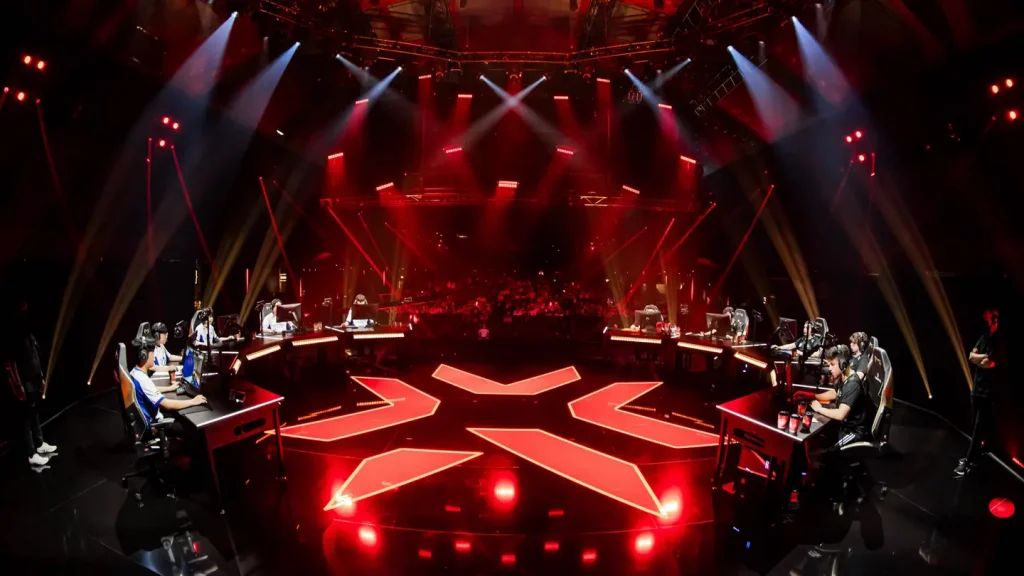
One of the main reasons behind Riot’s measured approach to updates is its commitment to maintaining competitive integrity during major tournaments like the Valorant Champions Tour (VCT). The devs generally avoid pushing major balance changes or drastic Agent reworks in the middle of a competitive split, ensuring that professional teams are not disrupted by sudden shifts in the meta they’ve spent weeks preparing for.
However, this approach has its drawbacks. There have been stretches during past VCT seasons where the meta remained largely unchanged for months, leading to repetitive strategies and predictable Agent picks. In fact, it’s not uncommon in Valorant esports for certain Agent comps to remain unchanged for multiple major events, with teams often being afraid to experiment with new picks and sticking to the tried-and-tested lineups.
It can’t be denied that Riot must be cautious when introducing major changes to its game, as frequent, drastic updates could wreak havoc on pro play. However, going too far in the other direction can end up robbing tournaments of excitement. This tension between preserving a stable competitive standard and keeping the meta fresh is what makes balancing Valorant such a difficult task for Riot.
Looking Forward
As Valorant moves into future seasons, Riot has signalled several major changes that might affect its update strategy. For starters, the game has recently shifted to Unreal Engine 5 with its July 29 update, which has not only reduced patch sizes significantly but has also given Riot a more flexible and powerful backend. According to the devs, this upgrade will make it easier to deliver updates and lay the groundwork for more ambitious content and systems in the future.
The next item on Riot’s agenda is the Valorant replay system, one of the most heavily requested features in the community since the dawn of the game’s release. The replay system will hit the Valorant servers alongside the upcoming patch 11.06 update on September 12th. As the devs have already confirmed, new anti-smurf measures are also on the horizon. Smurfing has always been a cause of concern in the Valorant community, and Riot’s upcoming measures will likely aim to curb this issue more aggressively, with stricter detection systems and matchmaking improvements designed to ensure fairer games.
Together, these changes signal that Riot is listening to the community and laying a stronger foundation for the future. The real question is whether this groundwork will allow Riot to speed up its content flow and keep Valorant feeling fresh in an increasingly competitive live-service landscape.
Verdict
It’s safe to say that Riot’s slow, deliberate pacing has helped shape the game into one of the most stable competitive FPS titles on the internet. However, that same cautious approach may also have held it back from reaching the same level of popularity as Counter-Strike 2, its primary rival in the genre.
Every patch in Valorant feels intentional, and that’s certainly a rarity in a live-service era characterized by drastic changes every few months. For hardcore competitive players and esports fans, this predictability is reassuring and results in a meta that rewards preparation, teamwork, and mastery rather than constant adaptation to the latest trend.
Yet there’s an undeniable tension building among the wider player base. Casual players, streamers, and content creators thrive on novelty, and when the game goes months without a major update, the energy around the title can fade. In the age of short attention spans and endless alternatives, the risk isn’t that Valorant will collapse overnight, but that it could slowly lose its place as the go-to tactical shooter for the casual player base.
This is the tightrope Riot must continue to walk. Too many updates and the competitive scene risks becoming too chaotic. Too few, and the game risks being perceived as stagnant, even if the fundamentals are still in place. The recent updates and infrastructure changes hint that Riot is preparing to implement both improved stability and faster updates in the future, but preparation is only half the battle.
Ultimately, the question remains: Is Valorant’s true strength in the stability that keeps its esports ecosystem thriving, or does that very stability risk losing the factors that made it so captivating in the first place? Riot’s ability to answer that question over the next few seasons will likely determine Valorant’s longevity and its place in determining what a modern competitive shooter should be.