

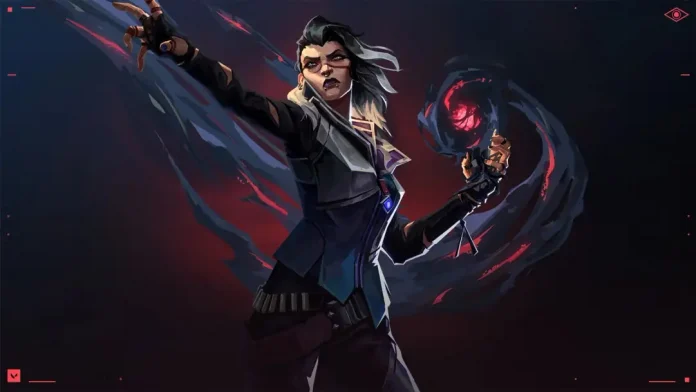
For a generation characterised by the consumption of fast-paced content, creating viral trends, and infamous for having low attention spans, competitive gaming needed something that could keep up. Enter Valorant, a tactical FPS by Riot Games that managed to garner the attention of the entire gaming world even before its initial release in June 2020. Despite being slower-paced than many modern shooters, Valorant resonated deeply with Gen Z due to its engaging gameplay loop, vibrant aesthetic, and influencer-driven marketing.
To better understand why Valorant struck such a chord with Gen Z, we first have to look at the state of competitive shooters before its arrival.
Before the entry of Valorant in the competitive FPS genre, it was primarily dominated by titles like Counter-Strike and Overwatch. The former is a slow-paced tactical shooter similar to Valorant, while the latter features intense, adrenaline-fueled team fights driven by unique hero abilities and flashy visuals.
Yet, neither game fully captured what Gen Z was looking for. CS:GO offered competitive depth and a fun gameplay loop, but it was suffering from a lack of updates and failed to appeal to younger audiences and casual gamers, while many players found Overwatch to be rather overwhelming due to the constant visual noise and utility dump.
Valorant attempted to blend the precise gunplay mechanics and the core gameplay loop of Counter-Strike with the personality of hero shooters, and wrapped it in a style and social ecosystem fit for the streaming era.
The Competitive FPS Scene Before Valorant
Before the release of Valorant, CS:GO enjoyed a near-monopoly in the tactical FPS space. It was widely regarded as the gold standard for shooters as it combined a simple yet deeply engaging gameplay loop with the classic ‘easy to learn, hard to master’ appeal. Its precise gunplay mechanics and competitive depth drew millions of active players who logged in daily to grind their ranks. However, despite its dominance in the genre, the game was not without its flaws.
Compared to most other tactical shooters, CS:GO had a relatively unforgiving skill ceiling, which was one of its greatest strengths and its biggest drawback at the same time. The game demanded mastery of mechanical skills, map knowledge, alongside good communication and team coordination. While these factors made it an ideal pick for hardcore gamers, it also created an intimidating barrier for newcomers, especially those looking for a more accessible experience.
Eventually, that steep learning curve created a harsh environment for beginners. Mistakes were punished mercilessly, and the community gained a reputation for being notoriously toxic toward players who couldn’t keep up. For Gen Z gamers, many of whom hadn’t been playing the game since its release, this atmosphere made CS:GO feel like an uphill battle.
In the hero shooter space, Overwatch was easily the most dominant force. The Blizzard title breathed new life into the genre with its charming cast of characters and fast-paced, ability-focused gameplay. Its unique blend of personality and competitive depth made it feel like the next evolution of shooters, capturing the attention of casual and hardcore players alike and setting the stage for a new era of esports.
However, it didn’t take long for cracks to begin to show. The game’s balance issues became a constant headache, metas grew stale, and Blizzard’s slow response to community concerns took a toll on the game’s reputation. Eventually, the burnout among the game’s player base became apparent. Overwatch’s rigid hero roles and lack of meaningful updates made it feel less like an evolving experience and more like a closed ecosystem.
Riot’s Perfect Timing
This created the perfect moment for a new contender to enter the space, one that could blend the precision and tactical depth of CS:GO with the personality and character-driven combat of Overwatch, all while delivering a fresh, modern experience for a generation craving something new. Valorant delivered exactly that.
Riot Games’ flagship FPS title combined competitive integrity with accessibility, turning hero-like Agents with unique abilities into its identity. What further fueled Valorant’s rapid growth was the fact that it launched during a global pandemic, a time when gaming and video game streaming became social lifelines. By the time the beta dropped in April 2020, Valorant easily dominated the Twitch charts due to its clever marketing strategies, and it eventually paved the way for its final release in June.
There are several key factors that helped Valorant stand out from the crowd in a genre that had already started stagnating at the time. Beyond its polished gameplay and aesthetics, Riot built the game with competitive integrity as a priority from day one, something most shooters struggled to achieve at launch.
Valorant arrived esports-ready, complete with a ranked ladder, tournament infrastructure, and an established pro scene. Riot also implemented Vanguard, a robust anti-cheat system that relied on kernel-level access to catch cheaters and provide a level playing field for everyone. These factors, when combined with the frequent updates and balance patches that the game received, enabled Valorant to cement its position as one of the biggest competitive shooters of all time.
What Makes Valorant Gen Z’s Game
A number of factors, including visuals, accessibility, and a social-first design, make Valorant the ideal competitive shooter for Gen Z.
While Counter-Strike boasts a realistic, gritty visual theme, Valorant goes for the more colorful and vibrant approach. As a result, the former has found a greater audience in the older generations, whereas younger players are flocking to the latter. Aspects like character diversity and representation further strengthened Valorant’s appeal to Gen Z, offering a roster of agents that reflected different cultures, backgrounds, and identities, something that felt modern and inclusive compared to the traditional, militaristic tone of CS.
Accessibility has been another major differentiator. Contrary to CS, which requires a medium-end PC to run smoothly, Valorant was designed to run on a potato, which opened its doors to a massive audience in regions where high-spec rigs aren’t common and removing a barrier that often keeps competitive titles niche. With modest download sizes after the Unreal Engine 5 update and reliable performance even on integrated graphics, Riot ensured that anyone with a halfway decent connection could jump in and compete.
Valorant also leaned heavily into social connectivity and proved that gaming for Gen Z is as much about hanging out with friends as it is about competition. Features like an integrated voice chat, influencer-driven beta access, and constant community engagement through social media posts made the game feel more social compared to other shooters.
Challenges Ahead
Despite Valorant securing a strong early footing in the tactical FPS genre, several challenges still loom on the horizon. For one, its arrival pushed Valve to pick up the pace on the development of Counter-Strike 2, a move that has paid off massively. With a steady stream of updates, CS2 is now dominating the FPS charts, boasting an enormous player base. Beyond that, Valorant also faces stiff competition from other hero-shooter titles like Marvel Rivals, Overwatch, and Apex Legends. Of course, healthy competition ultimately benefits players, but it means Riot can’t afford to take its foot off the gas.
Then there’s the issue of competitive balance and utility overload. We’ve talked about these challenges in the past, but Riot now faces a delicate balancing act where they have to keep introducing new Agents and maps to keep the game fresh without overwhelming newcomers in the process.
Lastly, the increased toxicity and the current state of competitive play have also become a cause of concern for the players. While Riot has taken several measures to curb the rising toxicity in Valorant, the problem continues to persist. This not only impacts the overall player experience but also threatens the welcoming environment that initially set Valorant apart from the crowd.
Verdict
Valorant once again proved that Riot’s understanding of the cultural DNA of an entire generation is nothing short of impressive. Gen Z didn’t want another hyper-realistic military shooter to compete with CS; they wanted aesthetics, style, character personality, and something with an entirely new identity, all packaged in an extremely accessible title with a solid anti-cheat and a focus on competitive integrity from day one.
Valorant delivered all of that and more. It blended its esports aspirations with bright, colorful aesthetics and a design that was easy to pick up yet challenging to master. Now all that remains to be seen is whether it can continue to evolve as this generation grows up and the next wave of players enters the arena. If Riot can stay true to its winning formula, Valorant might just become the biggest shooter of the decade, even amid fierce competition.