

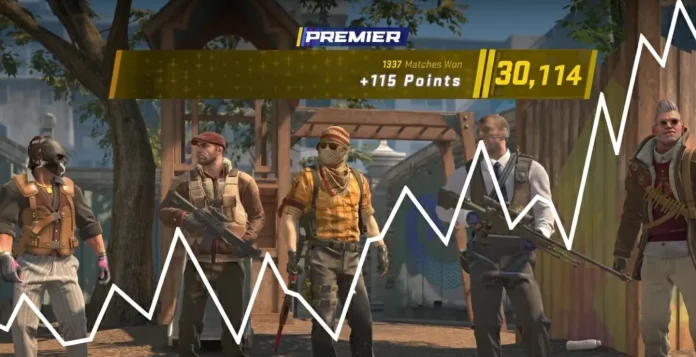

The professional Counter-Strike 2 scene is undergoing a major shift that goes far deeper than game mechanics and competition formats. At the core of this change is an advanced rethinking of how to measure, analyze, and optimize the performance of players using advanced analytical tools that are essentially redefining what it means to be a great competitive esports player.
The CS2 Professional Analytics Revolution
Competitive Counter-Strike has never been a data-intensive world, but the move to CS2 has triggered an unparalleled age of analytical rebirth. Organizations such as Team Liquid have been spending more than thousands of dollars per year on analytics technology, crunching over 1.6 terabytes of historical game data from 10 million contests. That is a sea change away from the old ways of performance measurement towards extensive, multi-faceted analytical tools that register every aspect of competitive play.
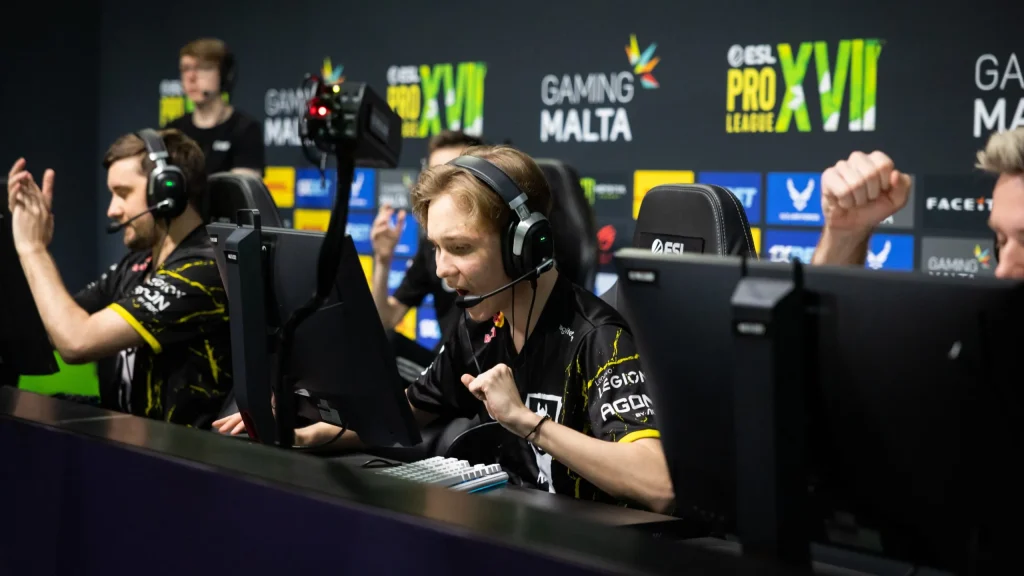
The basis for this revolution lies in advanced platforms that analyze millions of points of data in real-time. Platforms such as Bo3.gg now monitor granular data from thousands of professional games, offering insights that would have been impossible to achieve before. The platforms themselves have developed from basic statistical databases to dynamic analysis engines with the capability to forecast results, detect performance trends, and optimize strategic choice-making.
The New Standard for Performance Measurement
The most important innovation in CS2 performance assessment has come in the form of HLTV’s Rating 3.0 system, which is a complete rethinking of the way professional players are measured. The current version uses groundbreaking metrics, such as the “Round Swing” system that quantifies the effect of individual kills on round outcome probabilities and economy-adjusted metrics that eliminate low-influence eliminations against economically down opponents.
The repercussions of Rating 3.0 reach far beyond the numerical changes. The system now penalizes for passive saving actions while rewarding for effective actions that have a direct impact on round wins. This change has especially impacted player archetypes. Sucky riflers who once profited from eco-frags are now held to stricter evaluation measures, while support players and clutch experts gain greater accolades for their strategic play.
Professional franchises have started rebuilding their analytical methods around these new metrics. The system’s focus on contextual performance assessment results in a player’s rating often changing drastically depending on the economic health of their opponents and the strategic significance of their eliminations. This sophisticated method offers coaches and analysts unparalleled insight into true player influence versus metric inflation.
Artificial Intelligence and Machine Learning Integration

The use of artificial intelligence in CS2 analytics is arguably the most revolutionary advancement in professional performance assessment. Sophisticated AI tools now examine patterns of play with capacities beyond the limits of human analytical capability, uncovering trends in strategy and player action that would go undetected otherwise.
Team Liquid’s collaboration with SAP has led the way in AI copilot technology, providing the capability for natural language questioning of large data sets. Coaches are now able to pose elaborate strategic questions and receive instant analysis of trends in player performance, weaknesses of opponents, and tactical success. Advanced analytics have been democratized, changing the competitive landscape where advanced analytical knowledge is now available to coaching staff lacking technical knowledge.
Machine learning models have progressed to identify imperceptible gameplay patterns that are associated with performance results. Transformer-based models were recently shown to accurately analyze player behavior with 89.17% precision in detecting performance anomalies and strategic patterns. These models are able to input 256-tick sequences of gameplay information, or four seconds worth of match time, and detect significant performance metrics that fall beneath human perception.
Real-Time Performance Monitoring and Biometric Integration

The future of CS2 analytics goes beyond the confines of conventional gameplay statistics to include physiological monitoring technologies that offer unparalleled insights into player performance under conditions of competition. Studies have shown that biometric indicators such as heart rate variability, skin temperature, and pupil dilation patterns can revolutionize performance assessment models.
Professional clubs are starting to play around with eye-tracking technology to better learn visual attention patterns and strategic decision-making processes. Research has demonstrated that CS2 professional players have clearly different eye movement profiles than amateur players, with professionals having more effective visual scanning patterns and quicker target acquisition times. This information allows coaches to create customized training programs that fix specific perceptual and cognitive deficits.
The incorporation of physiological monitoring presents the possibility of customized performance optimization plans. Through observation of how specific players react to competitive pressure, coaches can craft specific interventions that enhance concentration, minimize stress-induced performance loss, and optimize recovery procedures. This integrative model of performance assessment marks a vast change from strict statistical analysis towards whole-player wellness and optimization models.
Effect on Player Development and Strategic Planning
Deep analytics have transformed the way professional players learn and prepare strategically. Tools such as Leetify and Scope.gg offer detailed performance insights, such as movement efficiency, optimization of utility usage, and tactical position analysis. Players can use these to pinpoint areas to improve and monitor progress over time.
The strategic scope of advanced analytics goes beyond opponent preparation and tactical planning. Opponent tendencies, preference maps, and strategic weaknesses are now analyzed with AI-based systems by teams. This analysis allows coaches to create very detailed counter-strategies and tactical tweaks that give them a competitive edge in high-pressure matches.
Long-term player development has been revolutionized by the use of longitudinal performance monitoring and predictive modeling. Organizations can now identify emerging talent through detailed statistical analysis of amateur games and ranked play. Analytical identification of talent is a considerable advancement over previous scouting methods founded on largely subjective appraisal.
Final Thoughts
Even though advanced analytics have the potential to revolutionize esports, there are also substantial pitfalls to their use and interpretation. Advanced analytical models are sophisticated and often depend on specialized skill sets that are not always easily accessible to all organizations. This opens the possibility for competitive inequalities between large, well-funded teams with advanced analytical skills and smaller organizations without substantial budgets.
The future of CS2 analysis is heading toward more advanced integration of artificial intelligence, biometric tracking, and predictive model technologies. Future trends indicate that performance analysis will move away from conventional statistical analysis to holistic assessment systems incorporating cognitive, physiological, and strategic aspects of player performance.
