

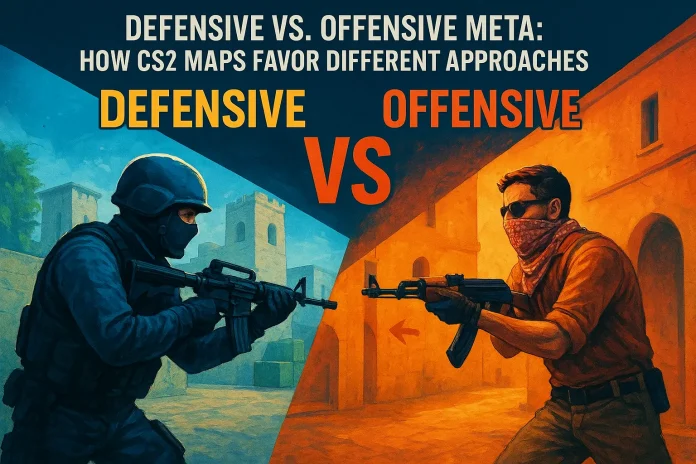

In Counter-Strike 2 (CS2), not only are battles fought with accurate shooting and instantaneous reflexes, but with a remarkable degree of tactical complexity. Every boom-around is a chess game, one characterized by the design and philosophy of every map. Whether you’re a casual fan, an aspiring player, or an esports enthusiast, understanding the subtle dance between defensive and offensive strategies can illuminate why some teams thrive while others falter.
In this article, we’ll walk through how CS2’s most iconic maps shape the battle, sometimes stacking the deck for defenders, sometimes for attackers, and occasionally offering a delicate equilibrium.
Fortress or Battleground? The Structure of CS2 Maps
All Counter-Strike players soon discover that not all maps are equal. Some are infamous for being pro-defensive Counter-Terrorists (CTs), giving them the power to secure locations and delay attacks. Others, more level or maze-like, appear to allow the Terrorists (Ts) to run amok with aggressive rushes and clever finishing. But why?
Defensive Strongholds: CT-Sided Maps
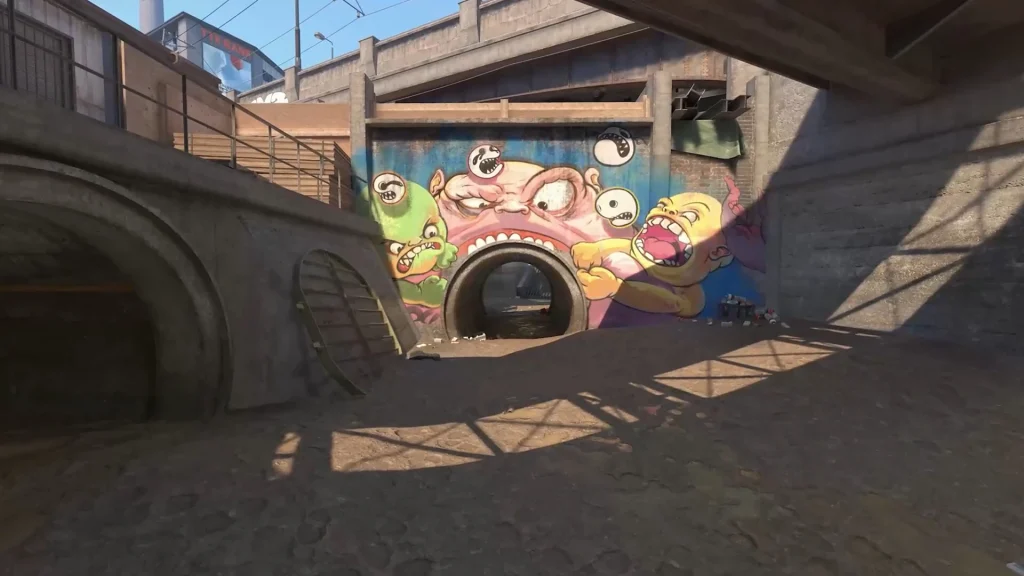
We begin with Overpass, commonly referred to as a “defensive playground.” Its complex of fast-rotation paths provides CTs with the advantage, allowing them to react rapidly to threats. On Overpass, the solitary defender in position can gather information and receive support across multiple sites. This results in a high CT win percentage, with current numbers indicating that CTs secure practically 56.4% of the rounds, a remarkable margin.
Nuke, another classic defensive map, establishes its lead with vertical depth. Several levels allow defenders to manage space and pick up valuable information, while narrow choke points funnel attackers through lethal crossfire areas. Even when attackers can get the bomb down, CTs tend to dominate retakes due to better sightlines and mobility. This is seen in the statistics, where CTs win around 55.2% of Nuke’s rounds.
Why are these aspects important? On both maps, the defense receives additional time and intel. High-speed rotation between locations, ideal crossfire spots, and strong sightlines enable CTs to play patiently. They can lay traps, anticipate mistakes, and utilize their utility (smokes, flashes, molotovs) to punish unprepared pushes.
Breaking the Fortress: T-Sided Maps
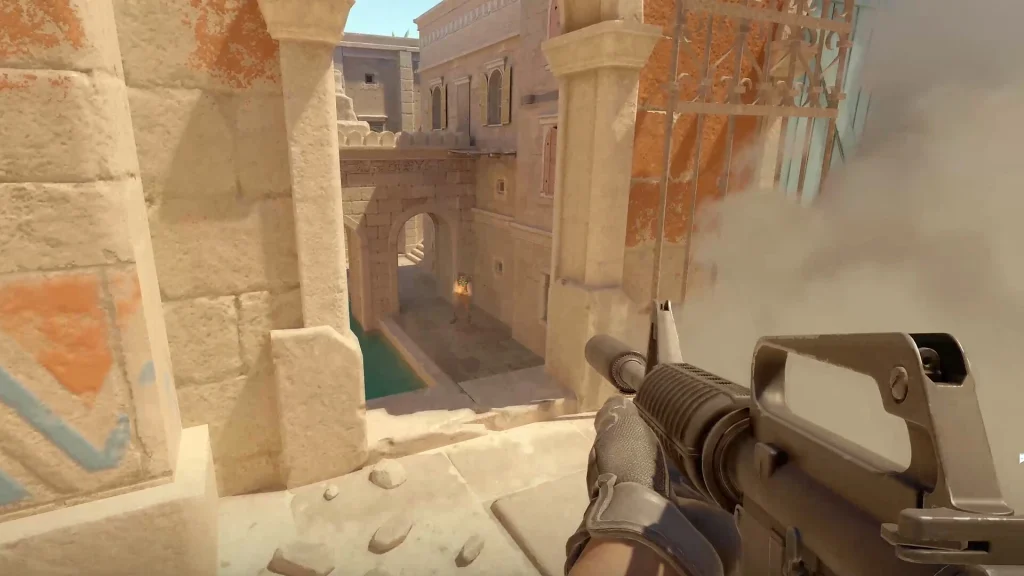
Before Terrorists lose hope, some CS2 maps tilt the other way. Anubis is the most T-sided map, as Ts win approximately 54.8% of rounds. Why does Anubis make it so uniquely advantageous for attackers?
The solution lies in accessing the Anubis map. Ts can attack both bomb sites from various angles, surprising defenders and making CT rotations slow and perilous. Once Ts have a hold of a site, CTs are presented with a labyrinth of angles and hiding areas, making each retake a nightmare. Even spawn positions favor the attackers, allowing quick site approaches that leave defenders behind.
Another map that Ts excel on is Inferno. On this map, the geometry initially benefits the CTs; narrow alleys and chokepoints, such as Banana and Apartments, have long been favorites among defender teams. But with time, with pros and top-tier players, attacking play has evolved. Coordinated utility barrages drive CTs from fortified areas and enable Ts to make well-timed site takes. Inferno’s meta evolution comes in the form of a story: it used to favor stationary defense, but now dynamic attacking with timing smokes and flashes makes Ts win more in the stats.
Maps for All Approaches
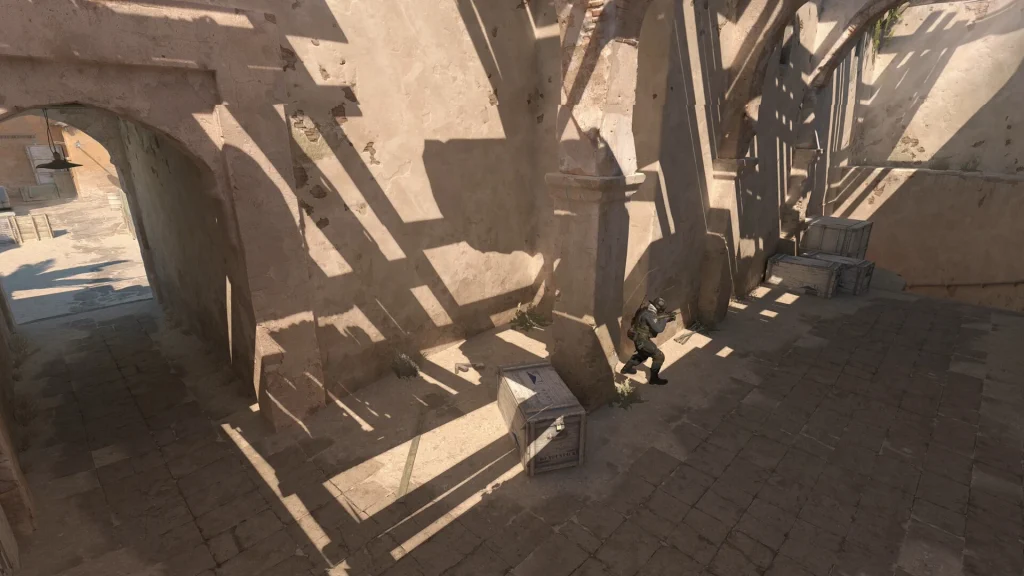
A great game requires moments when either side has its chance to shine, depending on the proper plan and execution. Ancient and Dust2 are two maps that have reached a near-perfect equilibrium.
Ancient is a challenge of tactical expertise; neither faction has a patent structural advantage. The win frequently hinges on “mid-control;” the faction that claims this central ground gains intel, rotation, and the ability to control the round. In such a close battle, strategy and teamplay are more important than sheer firepower.
Dust2, the most iconic map in Counter-Strike history, has retained its magic across generations due to the way it rewards both sides equally. Simple but subtle, the long sightlines and even mid control of Dust2 ensure that a team’s approach, aggressive rushes, or reserved holds, are more important than the arbitrary favor of spawn or layout. Here, survival by smart positioning and flexibility holds the key to success.
How Map Design Informs Strategy
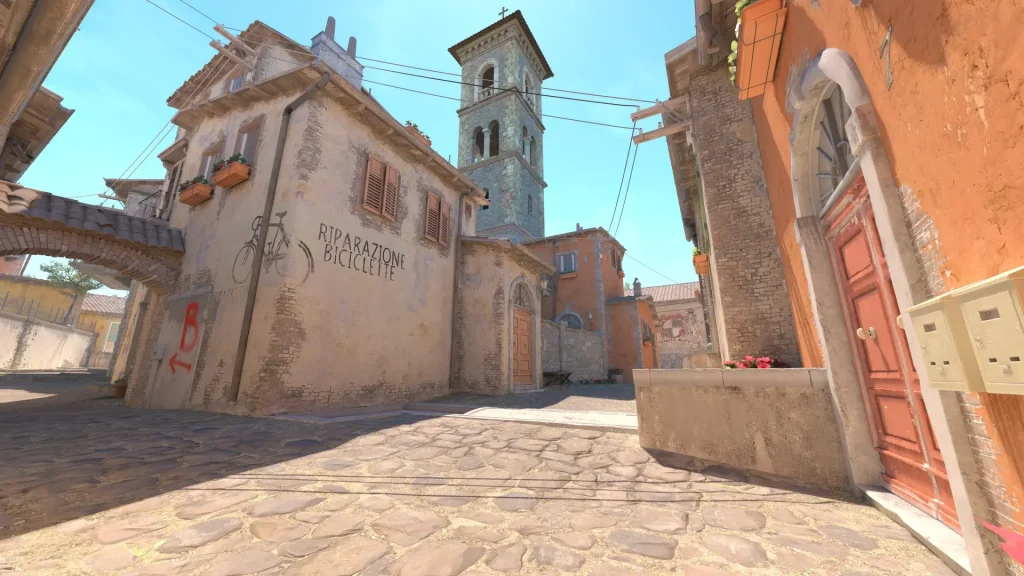
What makes a map “defensive” or “offensive”? It’s not merely about spawn points or the number of doors and windows.
Defensive maps feature stable choke points, which are narrow points of entry that channel attackers into predetermined crossfire areas. These allow defenders to save resources and manpower, preparing deadly ambushes. Overpass and Nuke shine here.
On attack maps, several attack routes interrupt simple rotations and make it difficult for the defenders to cover all areas. If the Ts can make it past that initial wave of smokes and flashes, the round will typically be theirs.
The flexibility to rotate is the foundation of CT-sided maps. If CTs can rotate undetected or with little delay between bombsites, they may double-up defense where it is required, close gaps, or catch opponents off guard by retaking ground.
On T-sided maps, sluggish or clunky rotations create windows of opportunity for attackers. If defenders must bet which site to stack, a decent offensive in-game leader can take advantage with an instantaneous call.
Utility, Timing, and Personal Skill
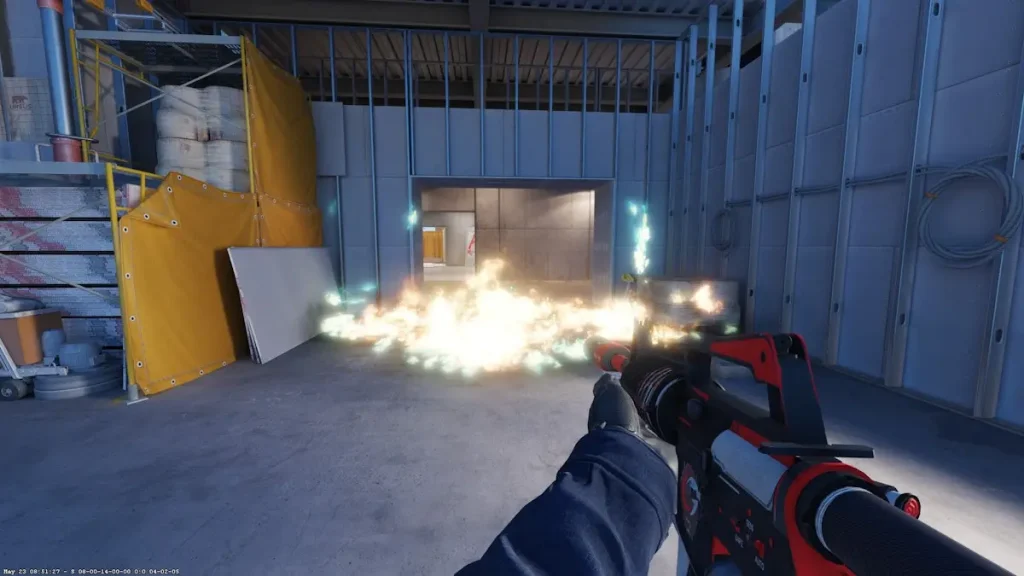
Not only is today’s CS2 meta about who stacks angles better. It’s evolved into a fluid game of utility use, well-timed grenades that can shut off vision, drive players out of cover, or deny pushes altogether.
The addition of new smoke mechanics in CS2 has intensified this dynamic. Smokes that react to bullets and explosions imply there are more “micro-strategies” than ever. The greatest teams execute waves of utility, straining defender resources before the attack even occurs. What ensues is a more tactical, layered style of play.
Timing is everything. New teams have practiced utility executes to the second. Whether a person is looking into a site or “lurking” to avoid rotation cut-off, every action is precise to take advantage of the strengths and weaknesses of particular maps.
The meta also points out another reality. Occasionally, one player’s gutsy play will turn around a round. Strategy dictates, but mechanical proficiency and accurate aim make the game unpredictable and exciting.
The professional CS2 ecosystem is consistently evolving. On defense-oriented maps such as Nuke and Overpass, even top teams now incorporate aggressive early-round CT rampages to break up enemy defaults and read out their plan.
Attackers, aware of these developments, have also modified their own game, employing staggered utility, fakes, and split attacks to keep defenders uncertain. Coaches analyze map-specific statistics year in and year out, hoping to find the next tactical innovation. To fans, it translates to more highlight-reel plays and cinematic late-round swings.
The Numbers Behind the Meta
To get an idea of how one side or the other is favored by each map, let’s examine some recent win rate statistics from 2024–2025. The list below indicates how frequently Counter-Terrorists (CT) or Terrorists (T) win on a specific map, as well as a snapshot of what makes its meta special.
| Map | CT Win % | T Win % | Sided Bias | Strength | Key Features |
|---|---|---|---|---|---|
| Overpass | 56.4 | 43.6 | CT | Very Strong | Fast rotations, angle coverage, easy defense angles |
| Nuke | 55.2 | 44.8 | CT | Strong | Multi-level, narrow passages, vertical control |
| Mirage | 54.2 | 45.8 | CT | Strong | Open bombsites, quick rotates, jungle/connector defense |
| Anubis | 45.2 | 56.7 | T | Very Strong | Multiple T attack routes, tough CT retakes, fast T access |
| Vertigo | 47.8 | 52.2 | T | Moderate | Vertical advantage, A ramp control, aggression rewarded |
| Inferno | 48.8 | 51.6 | T | Moderate | Tactical “Banana” control, late executes shift meta |
| Ancient | 50.8 | 49.2 | Balanced | Minimal | Mid-control deciding factor, strategic equilibrium |
| Dust2 | 49.2 | 50.8 | Balanced | Minimal | Long sightlines, classic mid, open to varied playstyles |
Final Thoughts
Knowing the subtleties behind each map’s meta is more than professional trivia; it’s literally the backbone of enjoyable and competitive games. For relaxed players, having a go-to map means playing to your own strength. Enjoy cautious site holds and waiting? Overpass or Nuke are the maps for you. Enjoy disorderly, multi-pronged assaults? Anubis or Vertigo is the way to go.
For squads looking to ascend the ranks or leave their mark in tournaments, having command over both sides of the coin, knowing when to hold, when to strike quickly, and when to rotate, distinguishes champions from challengers.
Counter-Strike 2’s biggest contribution to esports is how it makes static architecture live and breathe as a contest. Each new update, each advancement in utility mechanics or pro strategy, puts even the most veteran players at its mercy.
One thing is sure – so long as map makers continue to innovate, and creative teams continue to look for new strategies, the dynamic between defensive and offensive meta will never become stale. The actual winners are the players and the fans, who get to play and enjoy the increasingly profound strategic depth of one of the most legendary battlefields in gaming.
