

When Valve released Counter-Strike 2 (CS2), Counter-Strike enthusiasts worldwide welcomed the long-awaited sequel to Counter-Strike: Global Offensive (CS:GO). With the Source 2 engine, visual enhancements, and responsive sub-tick architecture, CS2 was a new era for competitive first-person shooters. Among all these transitions, however, none provoked as much fiery controversy as CS2’s new buy system.
Is it a considerate update for contemporary gameplay, or a mistake that drives away the heritage fan base? In this opinion, we examine the new buy system closely and evaluate whether it genuinely upgrades the competitive experience or has the potential to dismantle it.
A Modern Overhaul of an Iconic System
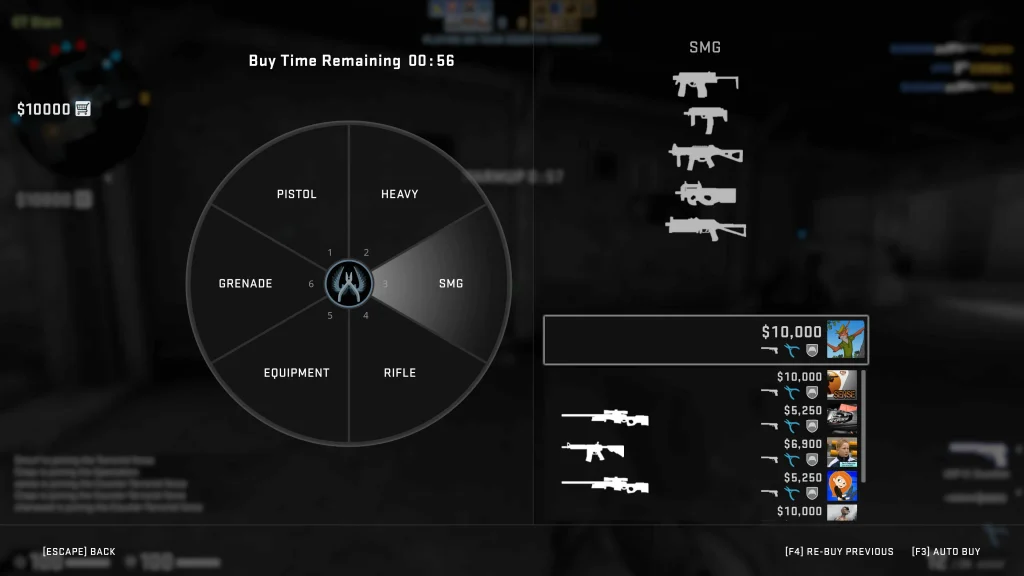
For more than a decade, CS:GO players were used to a radial buy menu, grouped by weapon type. Though good enough for the vets, it was usually daunting for new players. In CS2, Valve presents a flat, grid-based buy interface and an all-in-one menu that displays all the available weapons, equipment, and grenades on a single screen. It’s a departure from the norm, more in line with the minimalist interfaces of newer tactical games, such as Valorant.
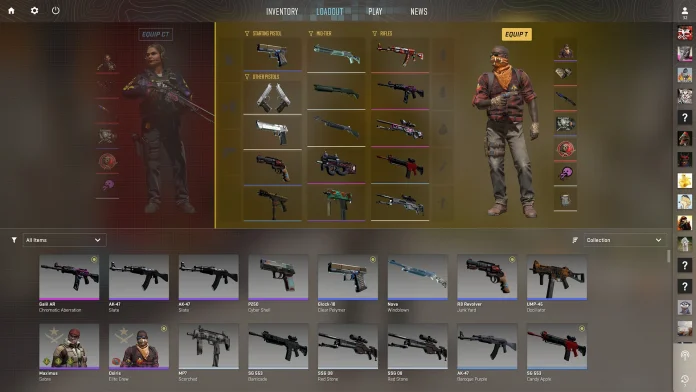
Additionally, Valve introduced a loadout restriction: players must pre-choose 15 weapons to take into a match. This consists of five pistols, five mid-range weapons (such as SMGs, shotguns, or heavy weapons), and five rifles/snipers. Players can no longer choose from the full array of weapons mid-match but are stuck with their loadout selection from the beginning.
One more monumental addition is the refund. When a player mistakenly purchases the wrong gun or utility and hasn’t utilized it in the buy phase, they can now return it for a full refund. This basic quality-of-life update releases casuals and pros from frustration, defraying the cost of misclicks that could ruin early rounds.
The Pros: Accessibility, Strategy, and Modernization
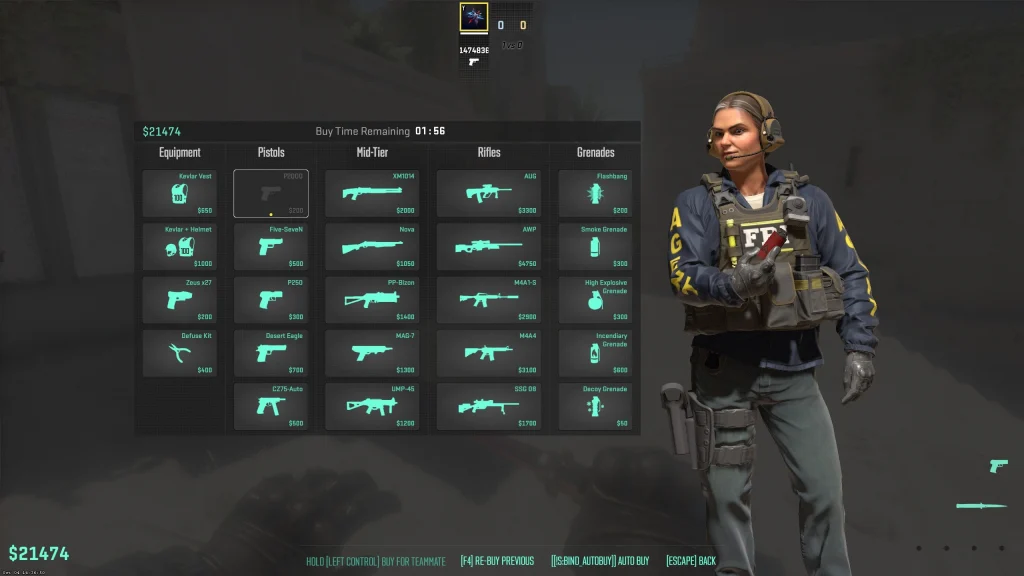
Accessibility is one of the most obvious advantages of the new buy system. The flat grid makes decisions easy for new players. Rather than having to dig through submenus, all choices are laid out in plain sight. For players transitioning from other tactical shooters, the UI is intuitive and modern.
The loadout system, though originally restrictive, expands into a whole new level of strategic depth. It is possible for teams to now customize their loadouts to fit their playstyles. Want to have both the M4A4 and M4A1-S options active within a match? You can now do so. The same applies to sidearms such as the Tec-9 and Five-SeveN, which can now coexist, granting tactical flexibility that was previously constrained by the game’s mutual exclusivity settings.
The refund mechanism is another huge success. It minimizes frustration, particularly in tense games where a single ill-advised buy can affect the economy and morale. With a speedy refund, players can correct course and keep their team’s strategic advantage.
Valve also included a way to view what your team members have bought during the buy phase. This minor but important feature promotes coordination. When you notice two teammates already buying rifles and armor, you might choose utility instead. It promotes wiser buys and a greater focus on team economy.
The Cons: Restrictive Loadouts
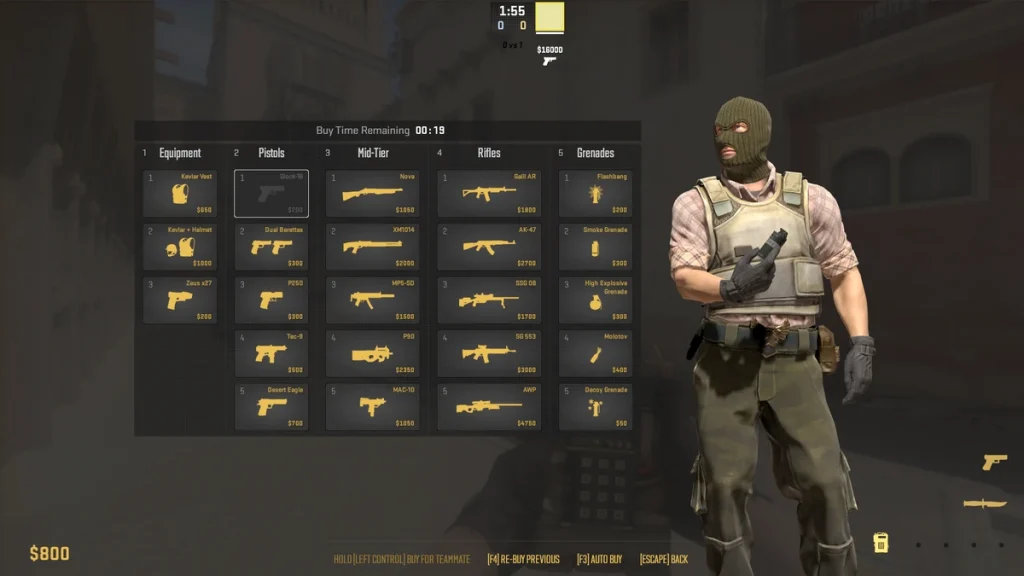
While the loadout system brings with it strategic planning, it also constrains mid-game flexibility. In the old CS:GO, players could use the entire gun collection. If there was a peculiar situation at hand, suppose the opposing team was stacking B with an auto-sniper, players could adjust by buying a gun that neutralizes that particular threat. Now, if the gun is not in your pre-game loadout, you’re out of luck.
This situational unresponsiveness can also infuriate accustomed players to CS:GO. For professional and high-stakes matchmaking, the lack of adaptability due to opponent buys or control of the map may cause unnecessary drawbacks.
The other area of contention is the interface. As friendly to new players as it is, experienced players have complained of misclicks and disorientation, particularly during the early CS2 days. Years of muscle memory in CS:GO do not directly translate to CS2’s layout, creating an infuriating learning curve.
In addition, customization still lacks. Players cannot reorganize their weapons within the grid or favorite regularly used items. This can prolong the buy phase for people who have not adapted to the visual hierarchy of the new menu yet.
The Esports Aspect
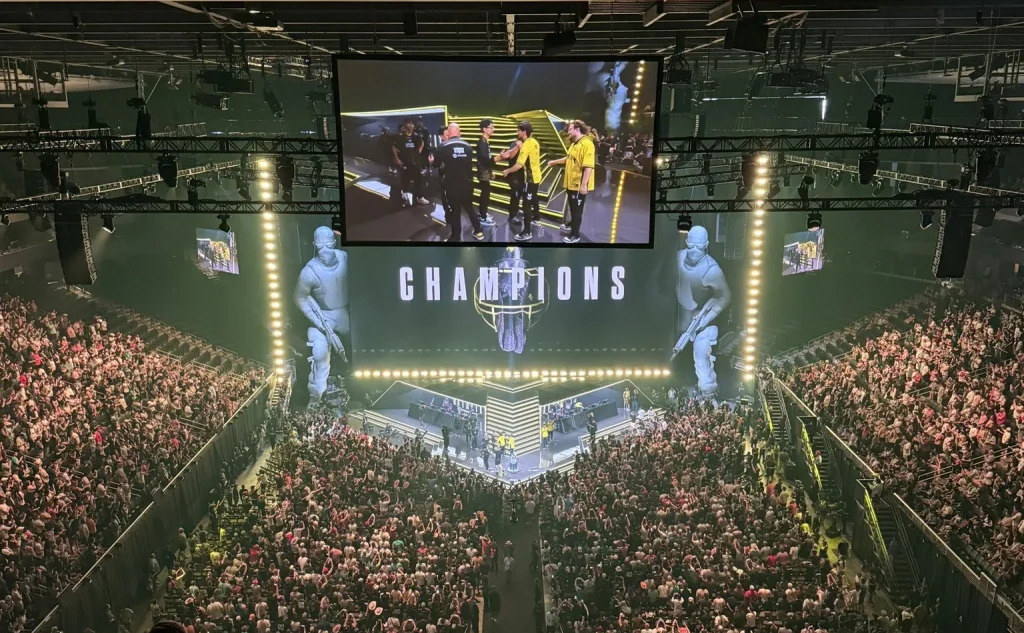
Professional Counter-Strike is established on layers of strategic complexity. Each second of a buy phase matters, and teams tend to make their entire round plan dependent on what weapons and utilities they possess. The new loadout system brings a metagame even before the game starts: how do you build an adaptive loadout that covers any scenario?
To some commentators, it is a pleasing innovation. It rewards squads that think about their pre-game preparation, and it makes team identities even more distinct. Others are concerned that it overemphasizes pre-game choices, limiting the amount of in-the-moment improvisation that characterized iconic plays in CS history.
The refunding capacity for purchases, though, has been universally embraced within the pro community. In big-stakes games, one misbuy had a chance to completely change an entire series previously. The refund mechanism relaxes that stress and makes room for the correction of mistakes without negatively affecting competitive integrity.
Comparisons with Valorant and Other Shooters
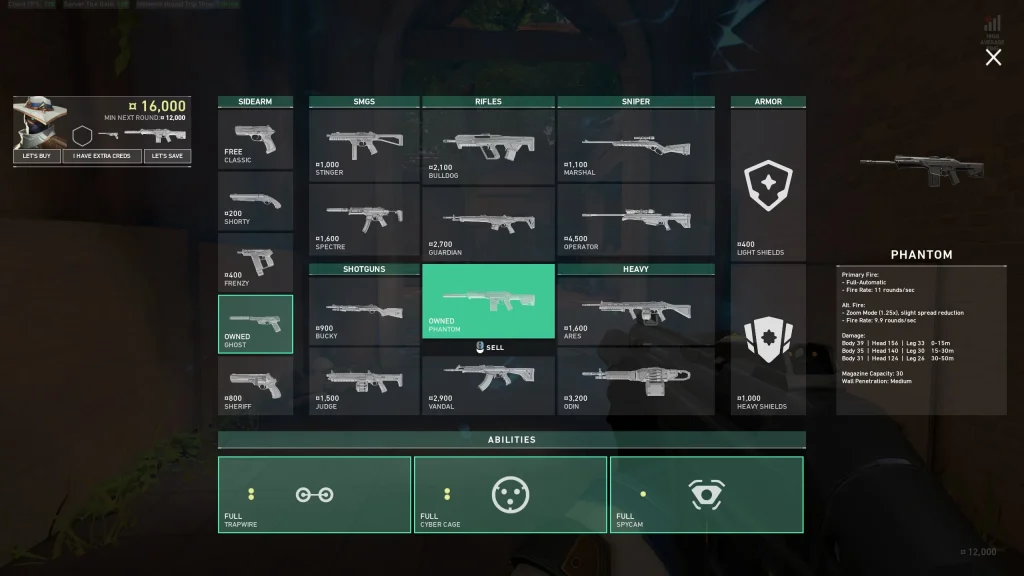
It’s no surprise CS2 is reacting, at least partially, to Valorant‘s success. Riot’s tactical shooter includes a minimalist UI, buy phases per character, and refunding abilities features now replicated in CS2. For Valve, updating the Counter-Strike experience might have been a necessity to keep up in a changing environment.
But whereas Valorant has never been afraid to prioritize style and convenience over substance, Counter-Strike has consistently valued raw tactical prowess and minimalism over cosmetic interfaces and hand-holding mechanics. The dance between legacy and innovation is intense in CS2’s buy system, as it takes cues from competitors but avoids homogenization and the loss of what made Counter-Strike an esports behemoth.
Verdict
Upon close examination, it is clear that the new CS2 purchase system is a lot more than a superficial face-lift; it’s a deliberate next step designed to make gameplay faster and deeper. The grid menu eliminates legacy drag, enhancing clarity and responsiveness without compromising game balance. At the same time, the refund system brings a useful, balanced quality-of-life adjustment that doesn’t damage economic integrity. The true change-maker, however, is the loadout system.
By making players decide in advance, it matches the role-based preparation that exists in other competitive games without diminishing the flexibility and improvisation for which Counter-Strike is renowned. Professional teams are already beginning to use the system to optimize player roles and pre-plan equipment strategies, unlocking its ability to optimize not only individual performance but entire-team coordination.
While contentious on the surface, these adjustments provide new avenues for strategic development and future-proofing. With the loadout system, Valve can add new gear and weapons incrementally without overpopulating the in-game economy. It also provides possibilities for more refined team builds, more profound map-specific loadout planning, and quicker adaptation to metas.
The evolution of the buy system fits within larger design trends in esports while honoring the fundamental values of precision, communication, and agility present in Counter-Strike. While improvements such as loadout swaps or team presets might enhance its capability further, the existing system is solid, scalable, and powerful. Rather than shattering the game, the new buy system reinvigorates the pre-round period as a domain of tactical imagination. In that context, it is not only a changer but also the most progressive update Valve has done for the franchise in years.